Fragments from a Minor Manifesto on the Responsiveness of Space
“Architecture is incomplete when it is unheard.”
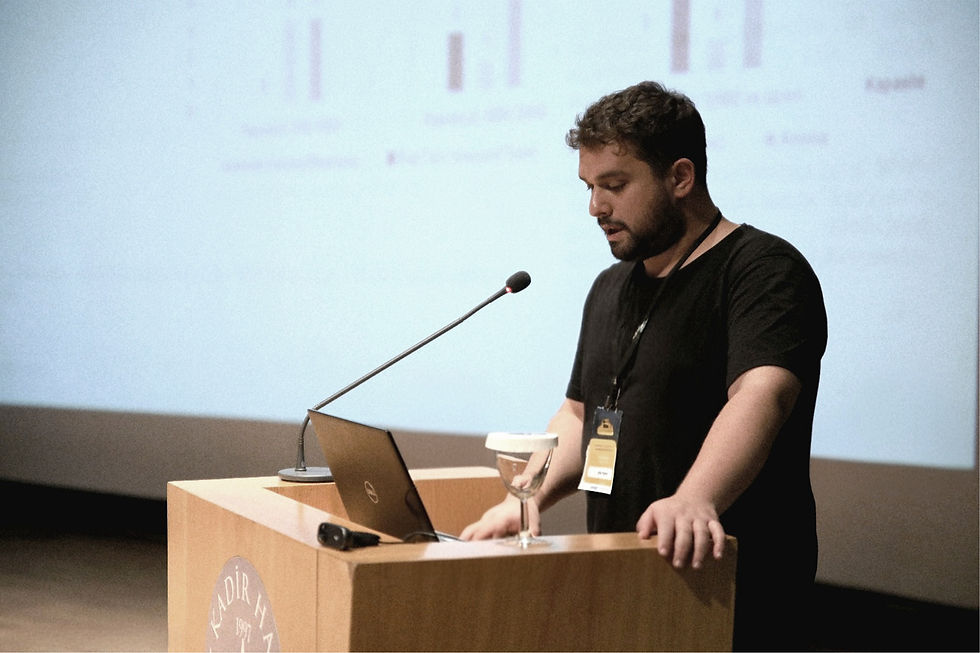
Music, as one of humanity’s earliest collective acts, began to establish its relationship with space through primitive rhythms held around a fire. The moment sound found resonance, it defined space; as space began to carry sound, it transformed into architecture. The migration of music into enclosed volumes marked not merely an aesthetic evolution, but the beginning of a new responsibility in architectural history (Long, 2006).
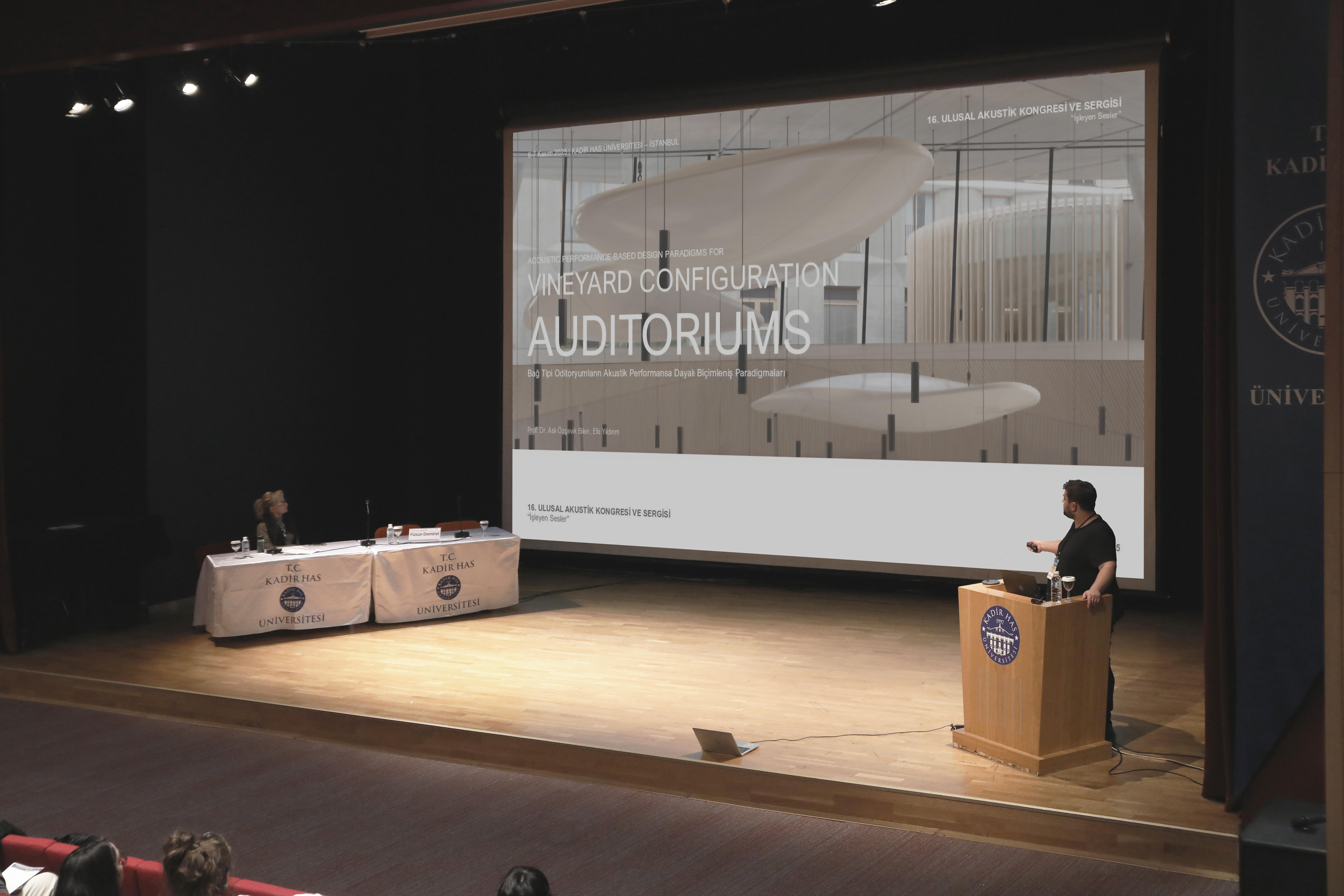
Auditoriums are where this responsibility becomes most concentrated. As spaces that are not only heard but also represented, they render visible a society’s cultural depth, technological capacity, and architectural ambition. For this reason, concert halls stand as the silent yet most powerful symbols of cities. The value a society places on music can be read in the quality of the spaces in which it is performed.
Room acoustics is not a technical layer added to architecture after the fact. Long before it was defined as a scientific discipline, it existed as an art grounded in intuition and experience (Backmann, 2020). Even today, acoustics remains a fundamental design parameter in auditorium architecture, shaping spatial form, scale, and organization. A space that cannot be heard is incomplete; a space that is not heard equally is unjust. Sound, therefore, is not a performance metric in auditorium design, but a matter of spatial ethics.
“Not everything that is seen is architecture; some things must be heard.”
Designing a concert hall is one of the most demanding and inherently collective challenges in architecture. Here, form, aesthetics, and technology are insufficient on their own. Architecture reveals its true depth only when tested by sound. For this reason, auditoriums represent development not merely as something seen, but as something heard—and felt.
Gallery
Take a close look




Where Sound Becomes Data
Experimental Measurements at TÜBİTAK UME
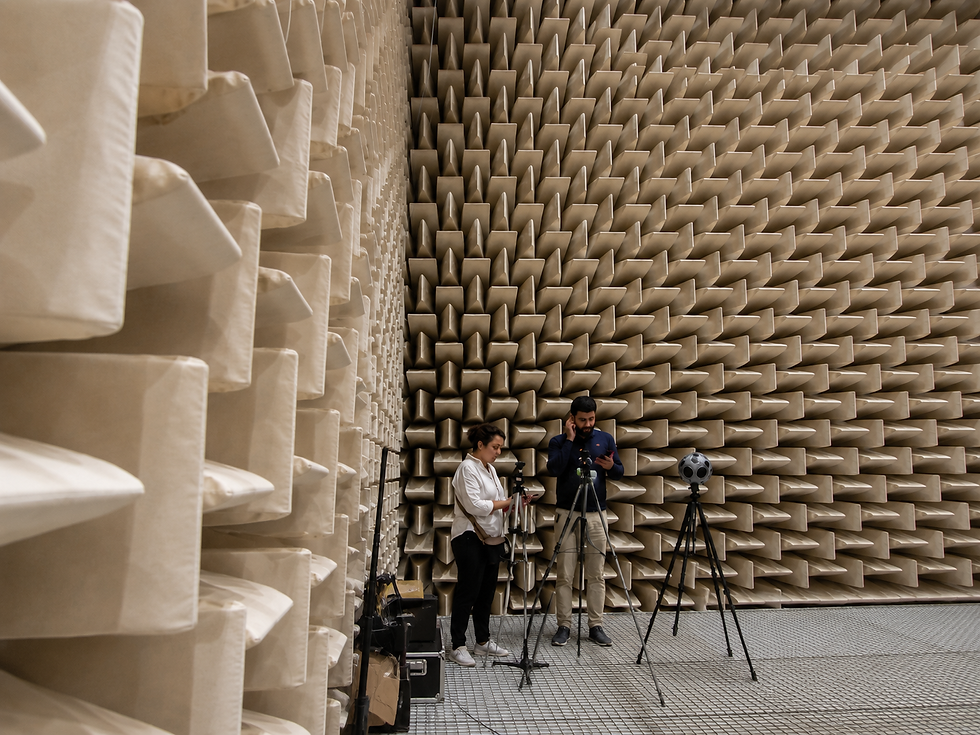
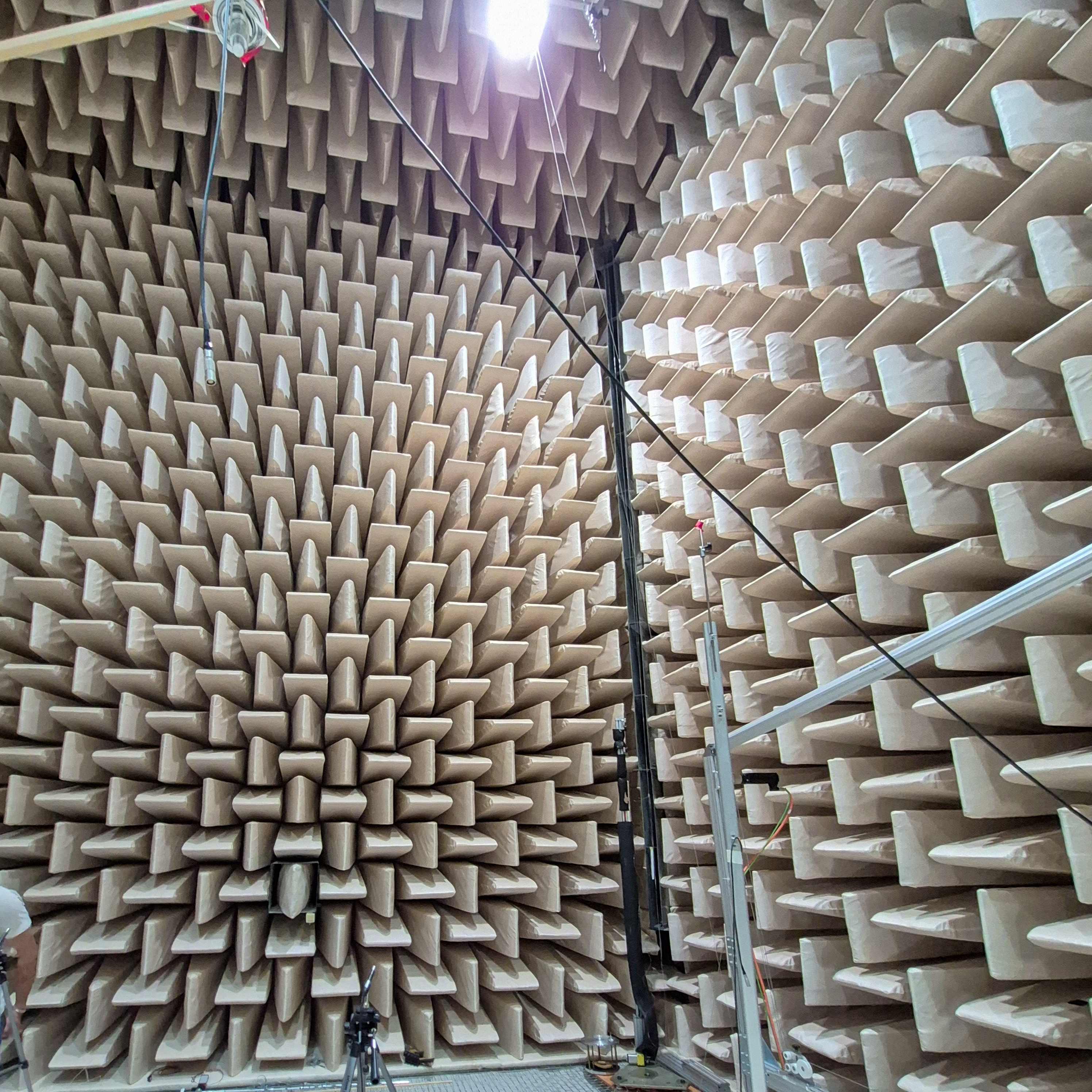
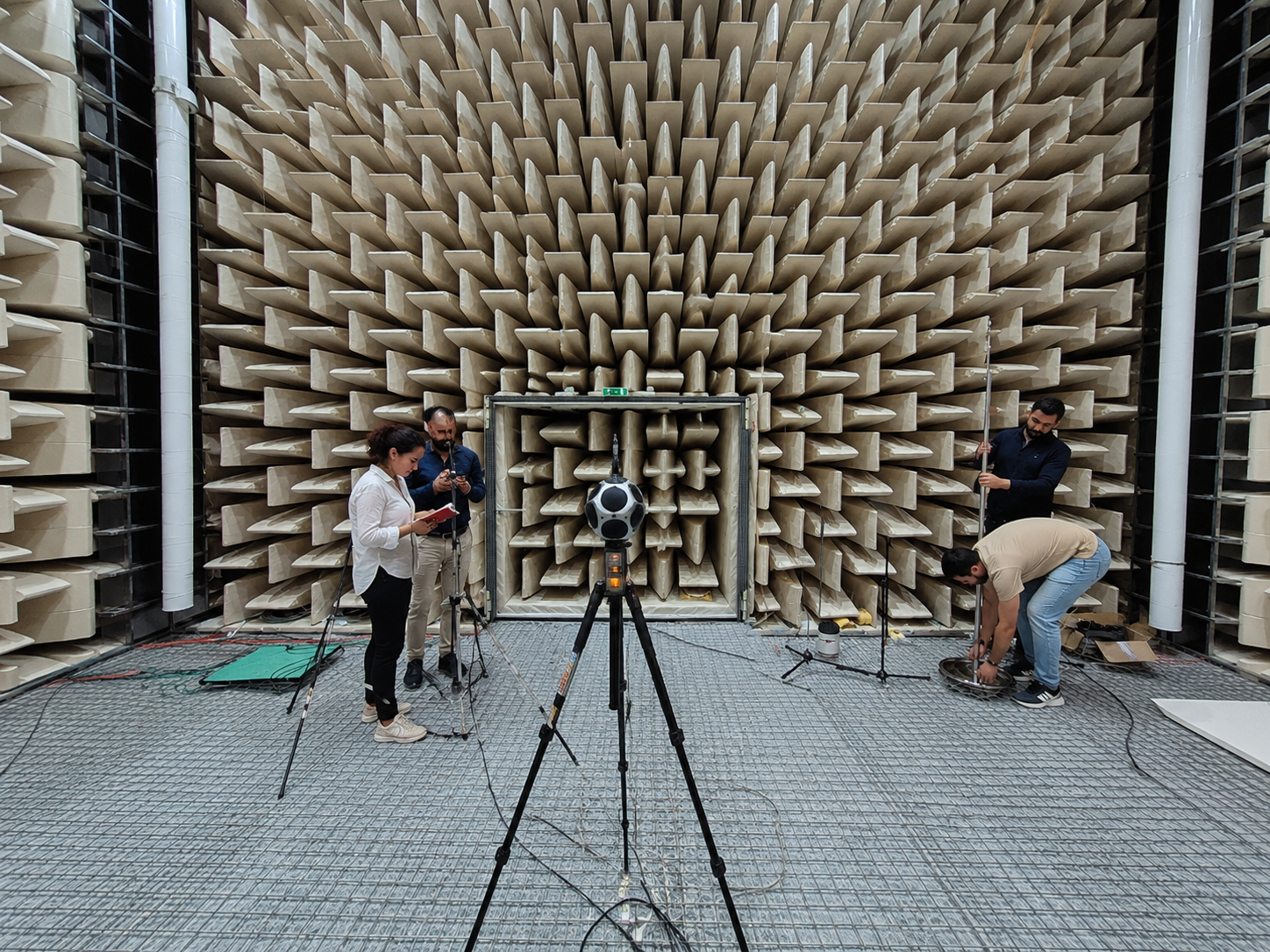
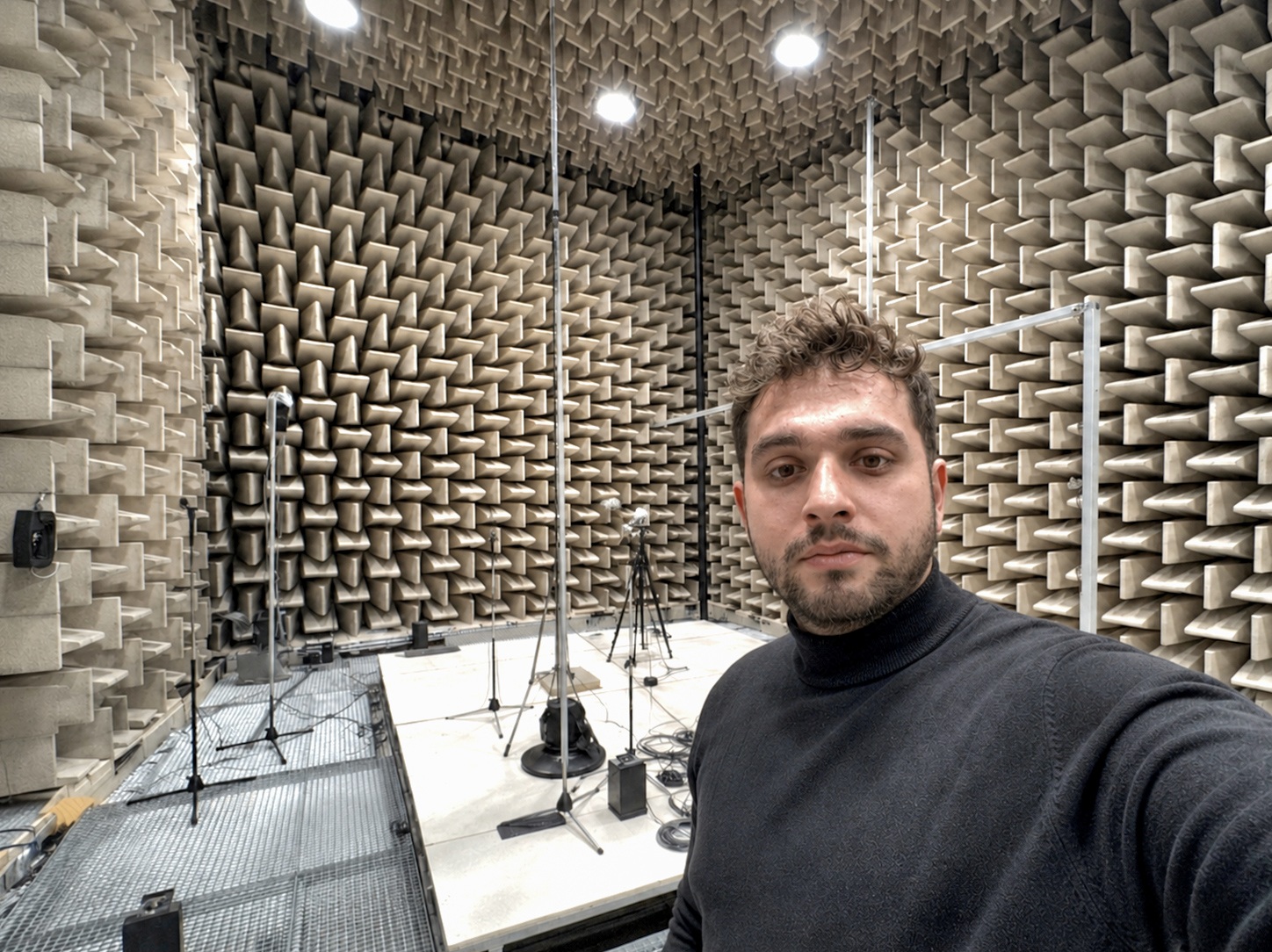
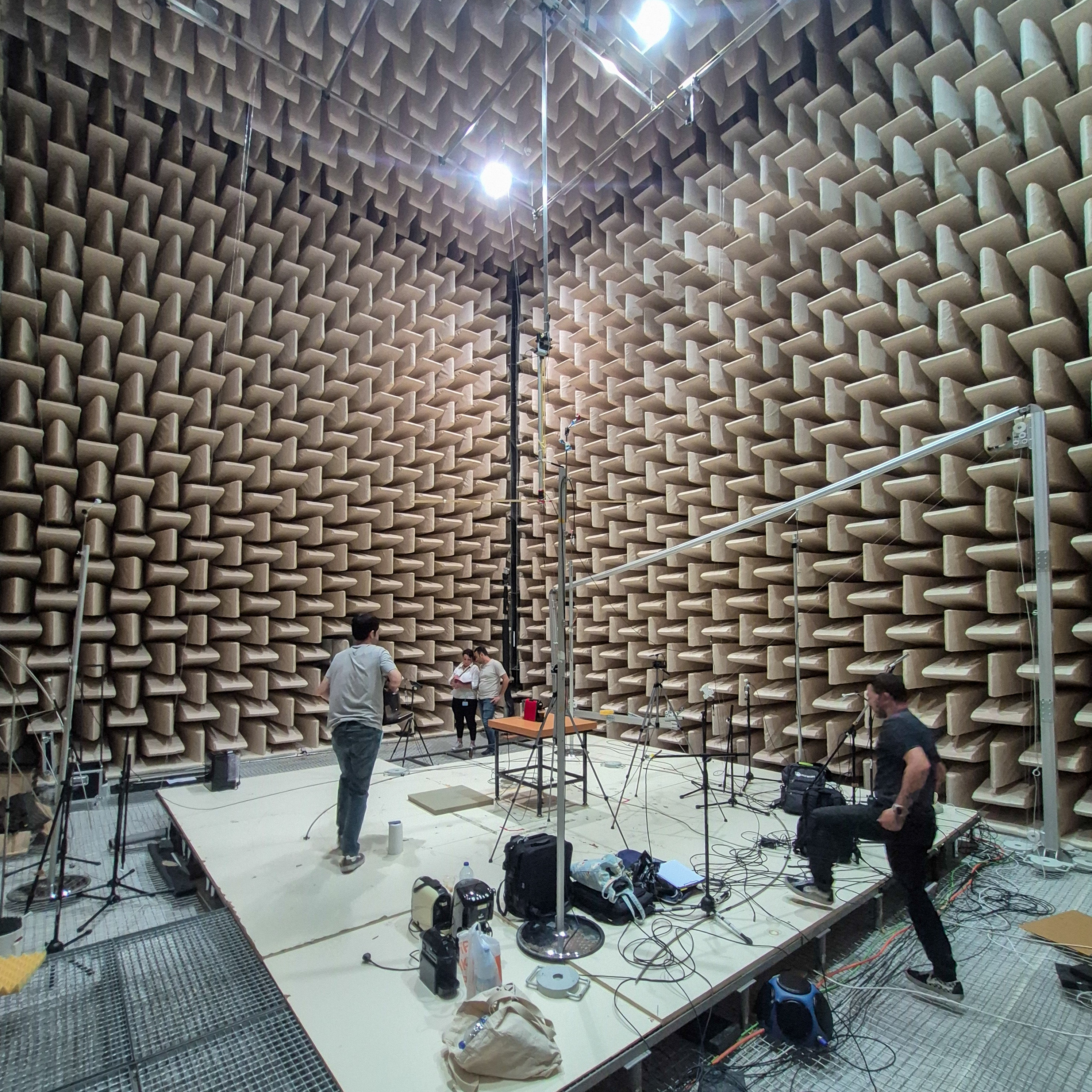
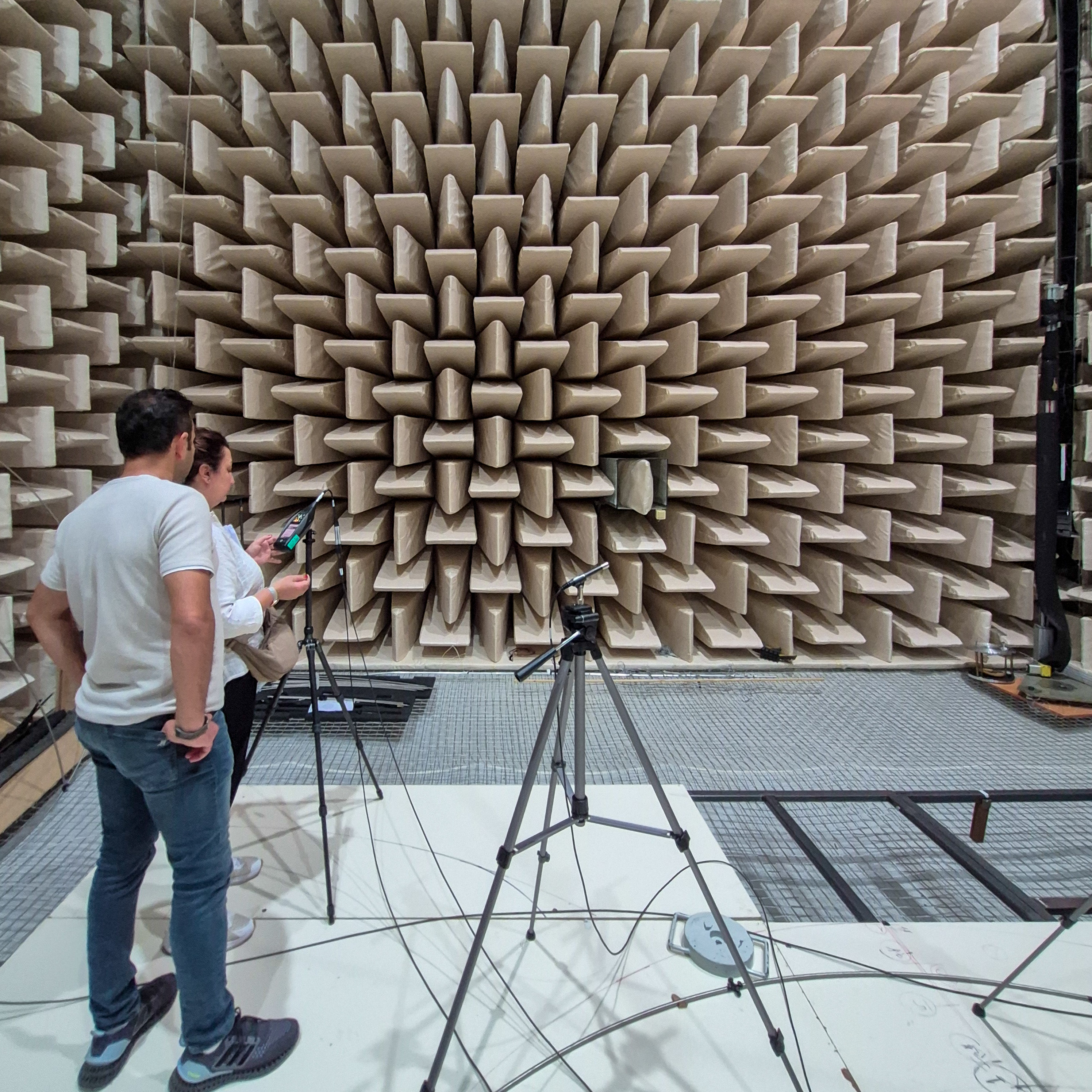
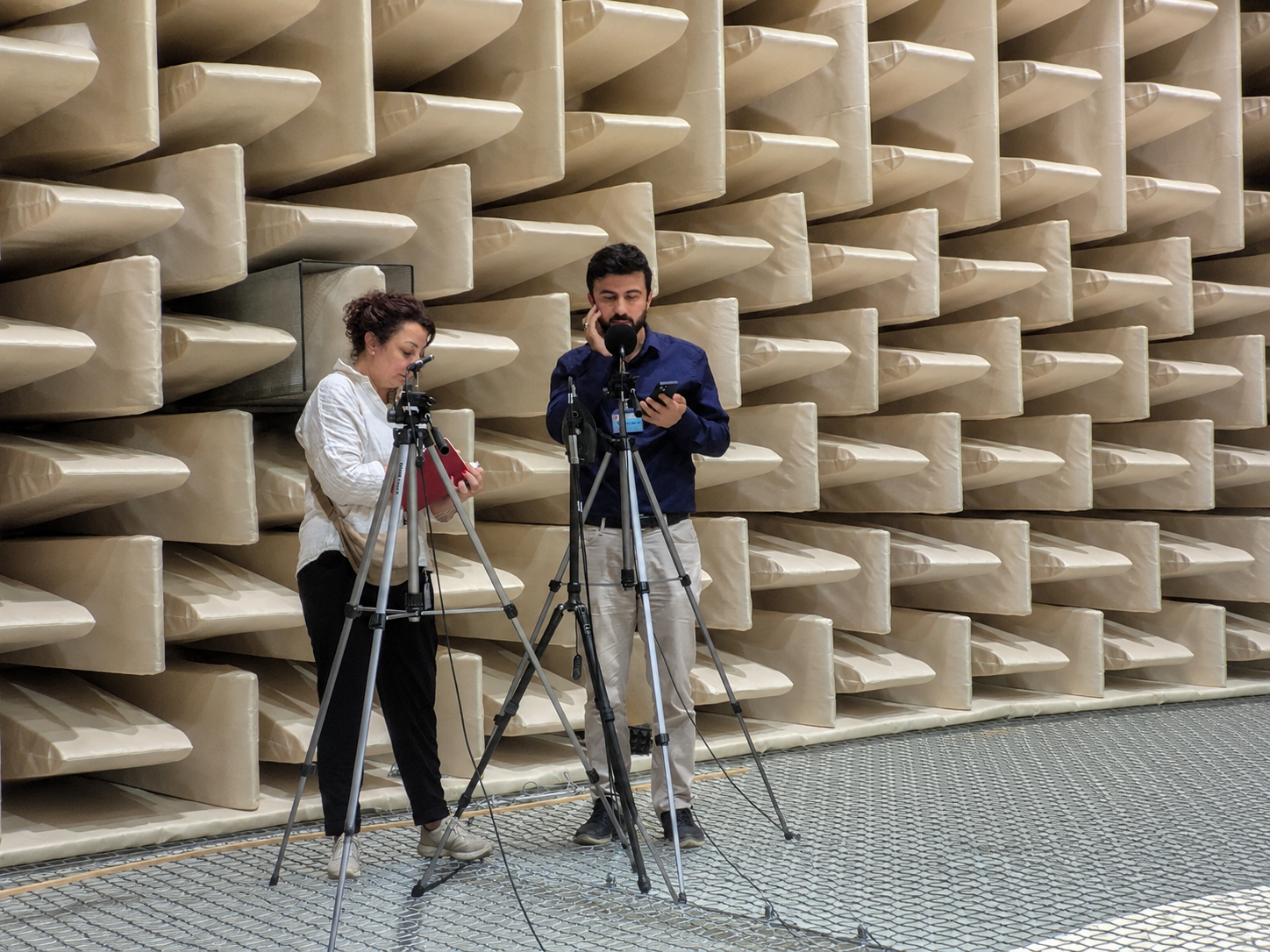
Reliable acoustic research begins with reliable measurements. Within the scope of this study, all experimental recordings and acoustic measurements were conducted in the anechoic chamber laboratories of TÜBİTAK UME (National Metrology Institute), Türkiye's national authority for measurement science and metrology.
Designed to eliminate sound reflections and external interference, the anechoic chamber provides a controlled environment where acoustic phenomena can be observed with the highest level of precision. This infrastructure enables the acquisition of accurate, repeatable, and internationally traceable measurement data.
The experimental results obtained in these laboratories establish the scientific foundation of this research and contribute to a deeper understanding of the relationship between sound, space, and architectural performance.
“Reliable architecture begins with reliable measurement.”
Gallery
Take a close look